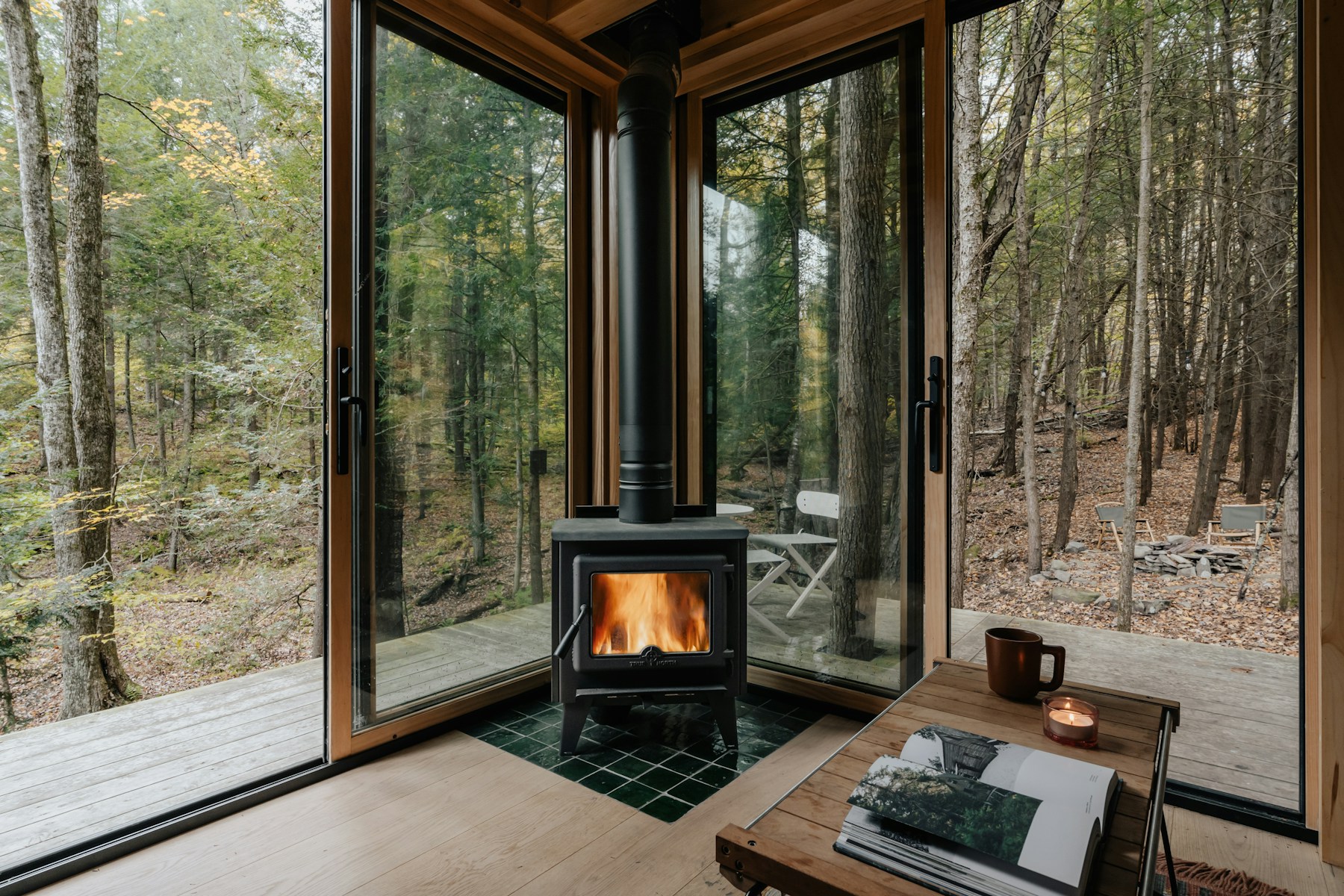
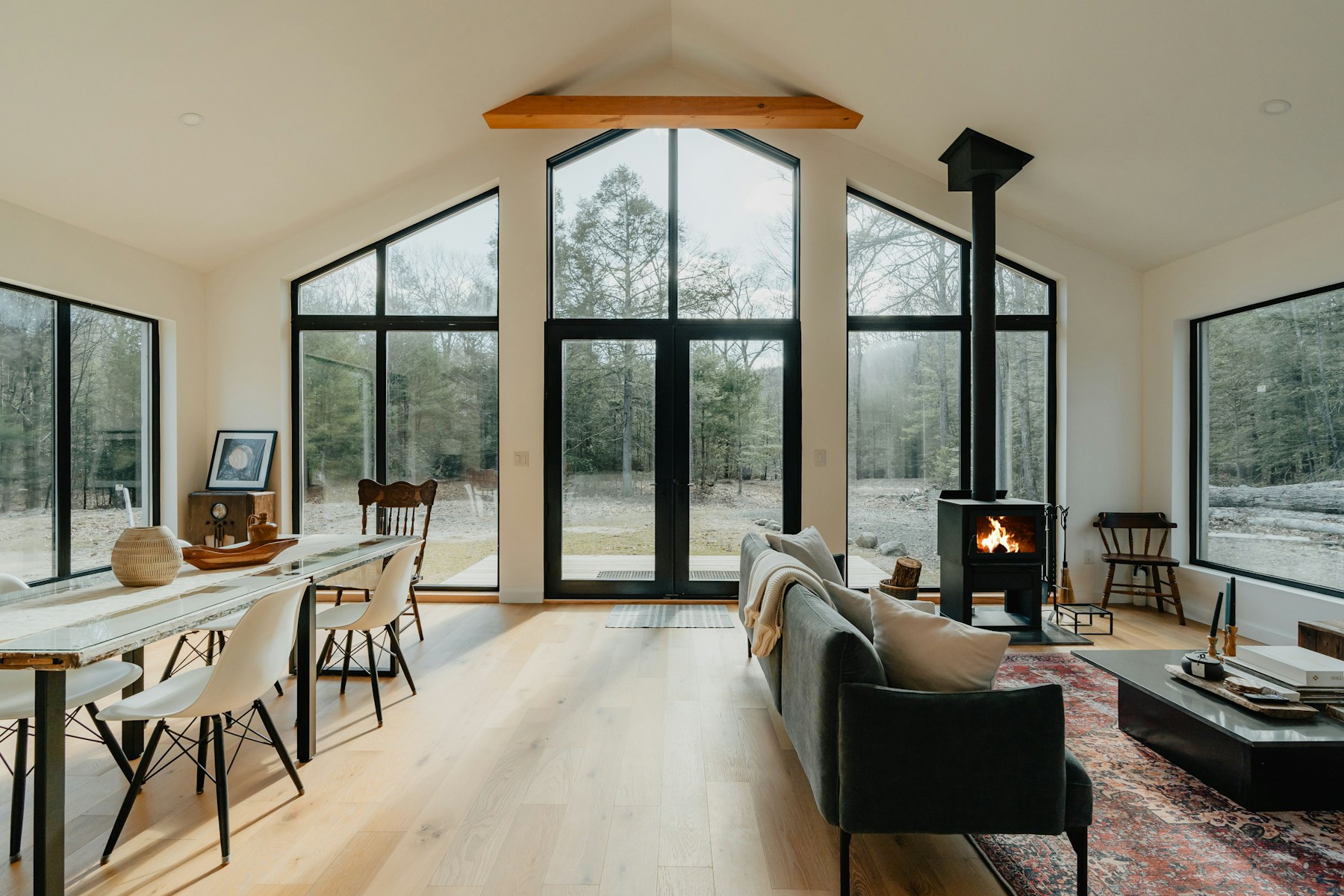
The first photo has a big job: it should help someone understand the feel of your home at a glance. A bright, well-composed image of the main living space often does that better than a close-up of a decorative detail. The rest of the gallery should then answer practical questions. What does the kitchen look like? Where will everyone sleep? Is there room to gather?
Show the experience and the essentials
Photograph the features that make the property distinctive, but keep the sequence clear. Good images of the bedrooms, bathrooms, outdoor space, and views help guests make confident decisions. If a room is compact or a view is seasonal, honest photography helps set the right expectations.
The written listing should work alongside the images. Describe the layout plainly, include the amenities people actually search for, and explain useful details such as parking, stairs, and proximity to activities. This is especially important for a mountain home where gear storage, winter access, and gathering space can shape the stay.
Keep the story current
A listing can become outdated as the home changes. Refresh images after meaningful upgrades, check that amenity details are accurate, and look at the page from a guest’s perspective. A considered presentation can help attract guests who are right for the space and reduce surprises after arrival.
← More articles